Choosing between vitrified and ceramic tiles is one of the most important decisions when building or renovating a home. While both are popular choices, they differ in durability, water absorption, maintenance, and where they perform best.
If you’re investing in flooring that should last for years, understanding these differences will help you make a smarter decision before visiting a showroom.
Vitrified tiles are the better choice for high-traffic floors because they’re stronger, less porous, and more durable. Ceramic tiles are an excellent option for walls and budget-friendly spaces.
Quick Comparison
Feature | Vitrified Tiles | Ceramic Tiles |
Durability | High | Moderate |
Water Absorption | Very Low | Higher |
Maintenance | Easy | Easy |
Best For | Floors | Walls |
Cost | Higher | More Affordable |
What Are Vitrified Tiles?
Vitrified tiles are manufactured by combining clay, silica, and minerals at extremely high temperatures. This process creates a dense, non-porous surface that resists moisture, stains, and scratches better than many traditional tile options.
They are ideal for:
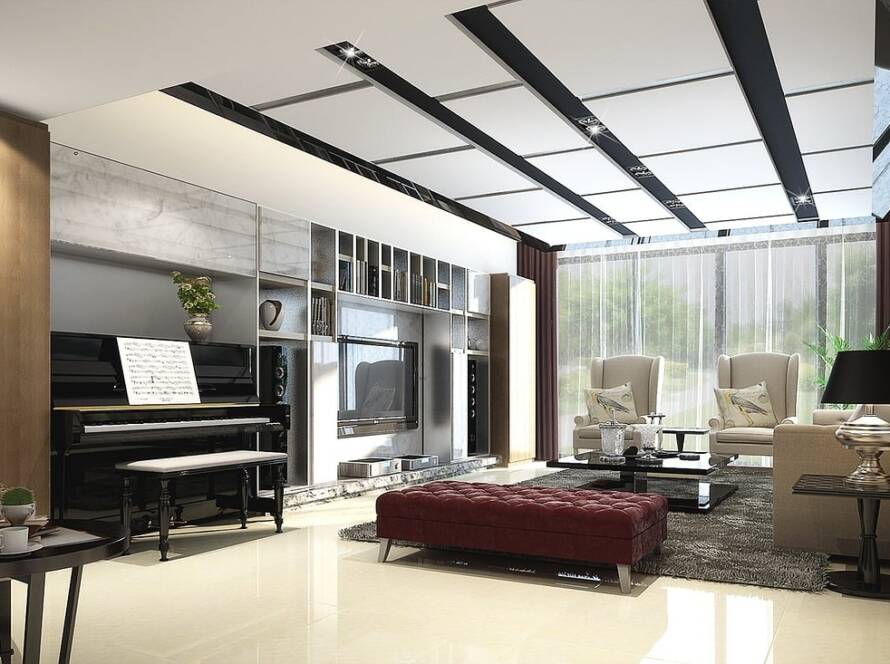
- Living room floors
- Bedrooms
- Hallways
- High-traffic homes
Although they usually cost more than ceramic tiles, their durability often makes them a better long-term investment.
What Are Ceramic Tiles?
Ceramic tiles are made from natural clay and fired in a kiln. They’re lighter, easier to cut, and available in a wide range of colours, patterns, and finishes.
They work particularly well for:
- Kitchen walls
- Bathroom walls
- Decorative feature walls
- Budget-conscious renovations
For areas with lighter foot traffic, ceramic tiles remain a practical and attractive choice.
Which Tile Works Best for Each Room?
Room | Recommended Tile |
Living Room | Vitrified |
Bedroom | Vitrified |
Kitchen Floor | Vitrified |
Kitchen Wall | Ceramic |
Bathroom Wall | Ceramic |
Hallway | Vitrified |
Common Buying Mistakes
Many homeowners compare prices before comparing performance. Instead, choose tiles based on how each room will actually be used.
Avoid these common mistakes:
- Choosing ceramic tiles for heavy-traffic floors.
- Ignoring water resistance in wet areas.
- Selecting tiles based only on appearance.
- Buying without considering long-term maintenance.
If you’re planning your entire home, our How to Choose the Right Tiles for Your Home: A Complete Guide can help you select the right tile for every room with confidence.
Final Verdict
Both vitrified and ceramic tiles have their place, but they serve different purposes. Vitrified tiles offer better durability, lower water absorption, and long-term performance for flooring. Ceramic tiles remain an excellent choice for walls, decorative areas, and budget-friendly projects.
The best approach is to compare both options in person before making your final decision. Explore Gala Home’s premium tile collection to find the right solution for your home.
Frequently Asked Questions
Are vitrified tiles better than ceramic tiles?
For most flooring applications, yes. Vitrified tiles are stronger, more durable, and absorb less water than ceramic tiles.
Are ceramic tiles cheaper than vitrified tiles?
Yes. Ceramic tiles are generally more affordable, making them suitable for walls and decorative spaces.
Which tiles last longer?
Vitrified tiles typically have a longer lifespan because of their dense, non-porous construction.